Jay S
Jay S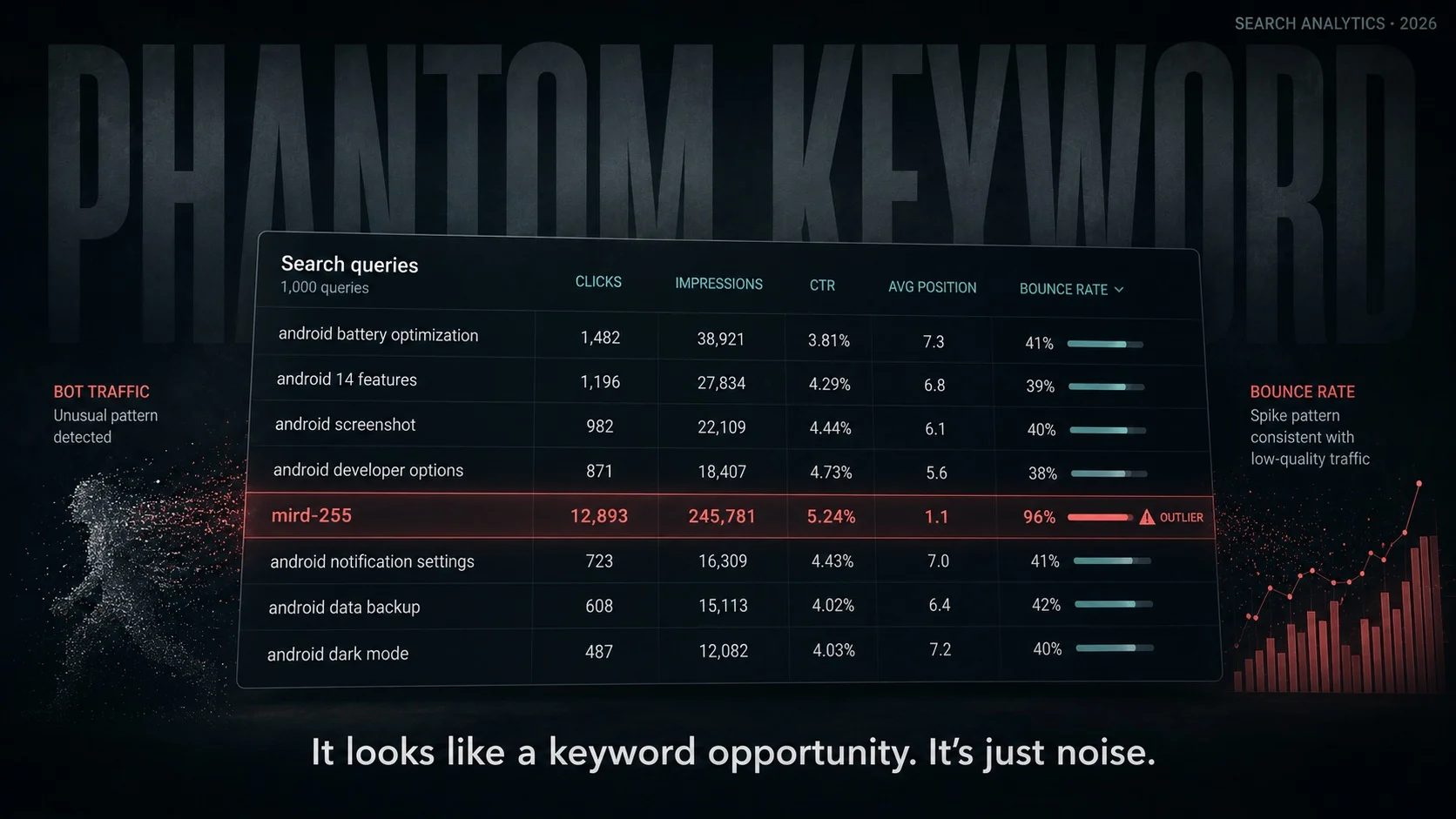
You check your Search Console one morning and there it is, “mird-255,” sitting in your queries list with a decent impression count, maybe even a few clicks and you wonder if you missed some new Android build or a leaked APK codename, happens all the time with tech sites, random strings show up and half of them turn out to be real.
This one isn’t. We traced it so you don’t have to.
What “mird-255” actually is?
There are two things competing for this string and neither has anything to do with your phone. The first is a medical standard, MIRD stands for Medical Internal Radiation Dosimetry, it’s a calculation method used in nuclear medicine to figure out how much radiation a patient absorbs from radioactive drugs, the “255” in that context is just a document or committee reference number from the Society of Nuclear Medicine and Molecular Imaging.
The second thing and this is where your traffic is probably coming from, is adult content. A Japanese studio released a video with this exact catalog number and the search volume follows that release cycle, not any tech announcement.
Why it lands on Android sites
Search algorithms aren’t perfect, they see a string of letters and numbers and they match it against anything that looks relevant, if your site has ever mentioned Japanese tech or APK numbering systems or even just has “Android” and a number nearby, you can end up in the same semantic neighborhood as content you absolutely don’t want to be associated with.
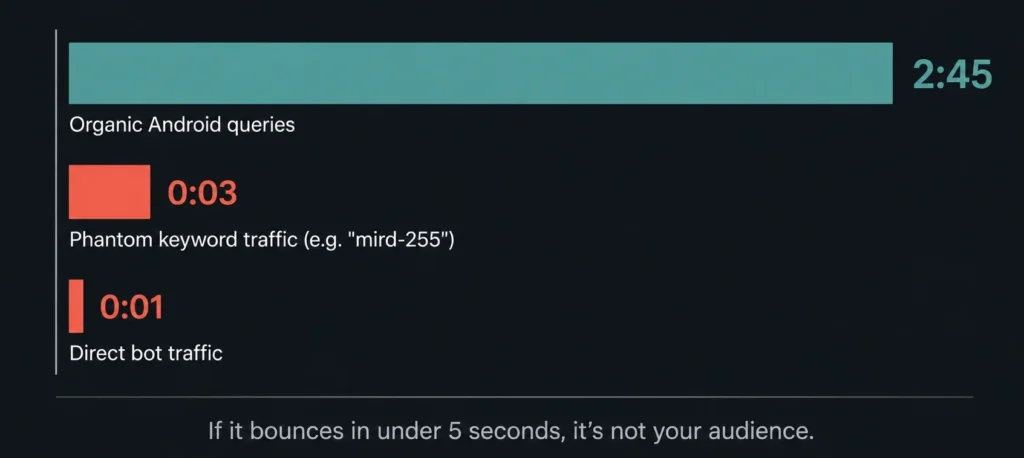
Bot traffic makes it worse. Scrapers and automated crawlers hit these terms to test which sites will auto-generate pages for them, they click through, they bounce immediately and your analytics look like you have interest in a topic you never covered.
How to spot this on your own site?
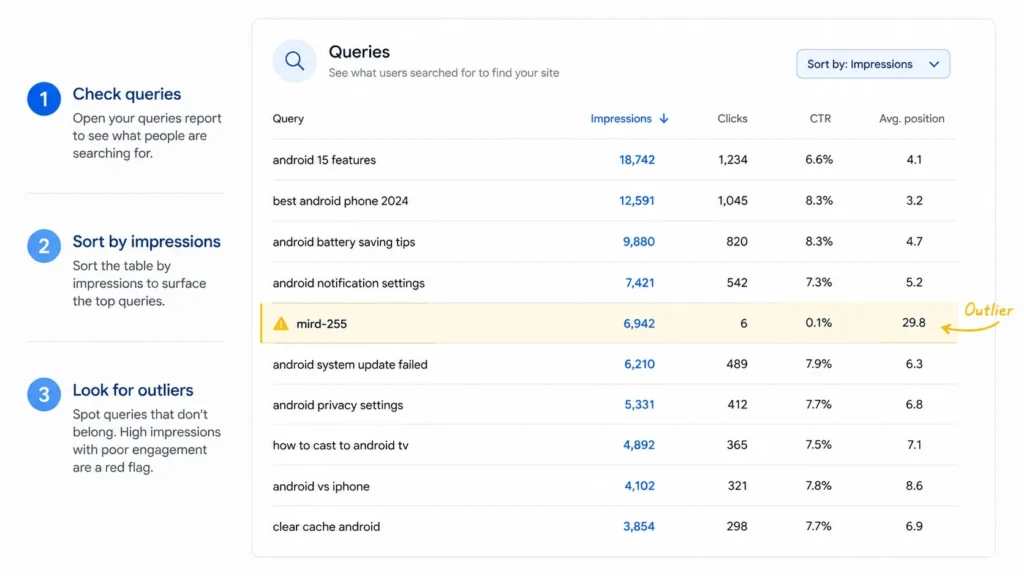
Open Google Search Console, filter your queries for the last 28 days, sort by impressions, look for anything that doesn’t match your content, strings with numbers that you don’t recognize, terms that feel out of place, check the click-through rate, phantom keywords usually have high impressions and near-zero clicks or high clicks with 100% bounce rates.
Then check the landing pages. If “mird-255” is sending people to your homepage or a generic category page instead of a specific article, that’s a dead giveaway the match is accidental.
What to do about it
Don’t write an article for it, don’t create a redirect, don’t try to “capture” the traffic by making a page that vaguely references the term, Google’s systems are good enough now to know when a site is chasing irrelevant queries and the visitors you get from it won’t stay, won’t convert and will tank your engagement metrics.
The best move is to ignore it. If it’s hitting your site hard enough to skew your data, set up a Search Console filter to exclude it from your reports, focus your content budget on terms that actually match what you do, Android apps, APK reviews, device guides, the stuff that brings readers who stay.
The Bottom Line
“mird-255” is a ghost in your analytics, it looks like a keyword opportunity but it’s just noise, medical abbreviations and adult content catalogs don’t belong on an Android site and trying to make them fit is a waste of crawl budget and reader trust, check your outliers, filter the junk and keep your content focused on what you actually know.