
 Vijay Singh
Are you looking for a secure way to browse Missav on your Android device? I understand the importance of privacy and safety while accessing online content. When it comes to browsing Missav content, security should be your top priority. In my experience helping users navigate similar platforms, I’ve found that many people overlook basic safety measures. That’s why I’m sharing this step-by-step guide with you. Throughout this article, I’ll provide practical tips and recommendations based on my extensive research and testing of various security methods.
Important Privacy Settings for Your Android Device
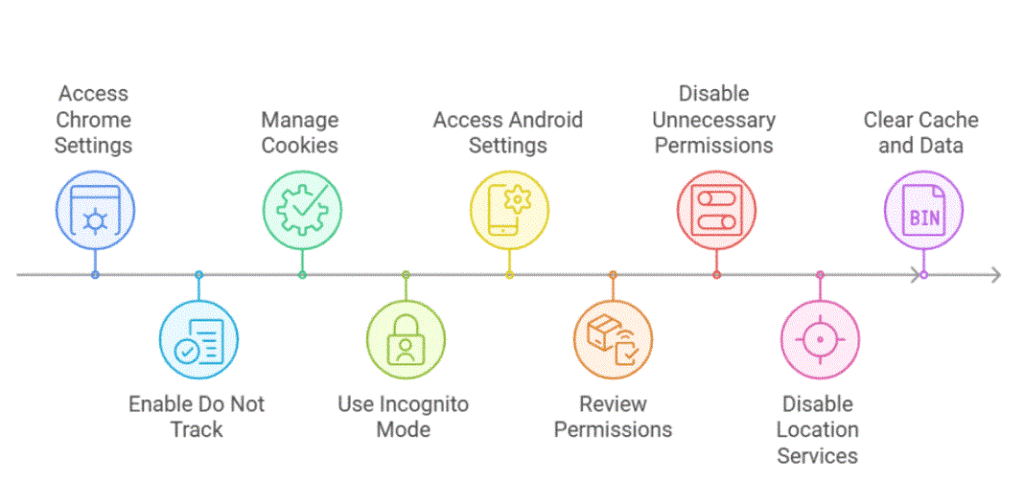
Before you start browsing Missav, you’ll want to adjust your Android device’s privacy settings. I recommend beginning with your browser settings. In Chrome, tap the three dots in the top right corner, go to Settings and select ‘Privacy and Security’. Here, you can enable ‘Do Not Track’ requests and manage your cookies. You should also consider using Incognito mode, which I always activate for private browsing sessions. This prevents your browsing history from being saved on your device.
Next, let’s talk about your Android system settings. I suggest going to Settings > Privacy to review and adjust your permissions. In my testing, I’ve found that disabling unnecessary app permissions and location services can significantly enhance your privacy. You should also regularly clear your device cache and browsing data. I make it a habit to do this weekly and you might want to set a reminder for yourself too.
Choosing the Right VPN for Secure Browsing
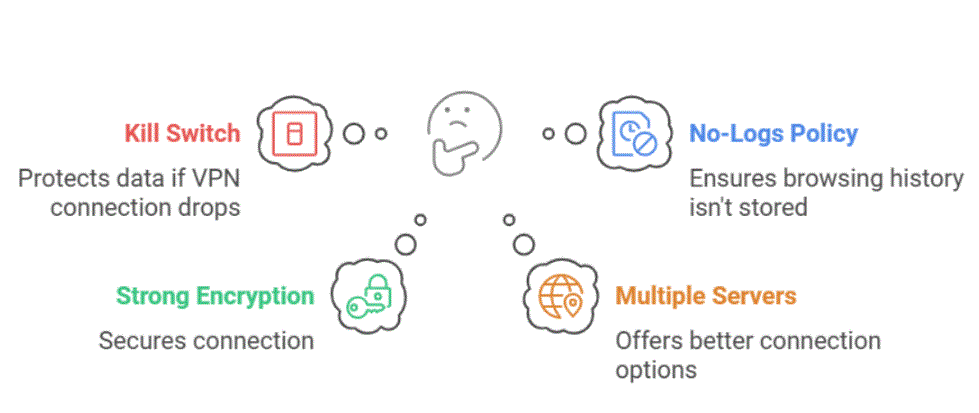
When I browse Missav, I always make sure my VPN is active first. A reliable VPN is crucial for maintaining your privacy and security online. In my experience testing various VPN services, I’ve found that you should look for ones that offer strong encryption, a strict no-logs policy and servers in multiple countries. You don’t need to spend a fortune – there are several reliable options that provide good protection at reasonable prices.
Let me share some key features you should look for in a VPN:
| Security Features | Why It Matters |
| Kill Switch | Protects your data if VPN connection drops |
| No-Logs Policy | Ensures your browsing history isn’t stored |
| Strong Encryption | Keeps your connection secure |
| Multiple Servers | Provides better connection options |
Secure Download Methods for Missav Content
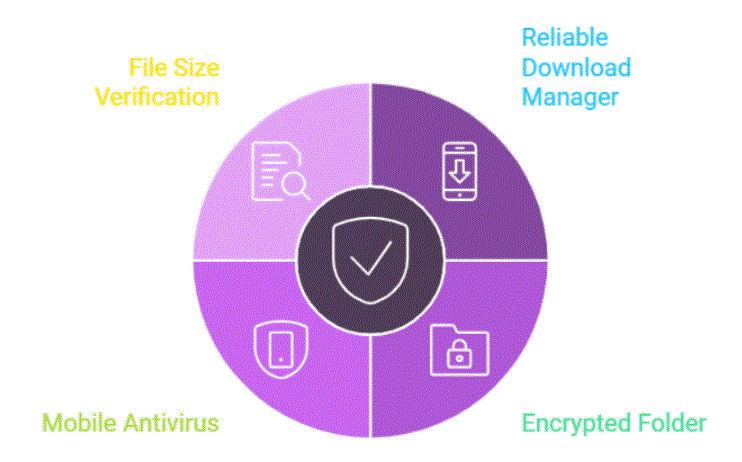
When downloading content from Missav, your security should always come first. I’ve tested numerous download methods and I want to share the safest approaches with you. First, make sure you’re using a reliable download manager app from the Google Play Store. In my experience, advanced download managers offer features like pause/resume capability and download encryption, which are necessary for secure downloads. I recommend setting up a dedicated, encrypted folder on your device specifically for your downloaded content.
Another crucial aspect I always emphasize is scan files before opening them. Install a reputable mobile antivirus app – I’ve found that many trustworthy options are available for free on the Play Store. Set up automatic scanning for new downloads and make sure your antivirus definitions are always up to date. You should also check file sizes before downloading – if something seems unusually small or large compared to what you’d expect, it’s better to avoid it.
Best Browser Settings for Private Viewing
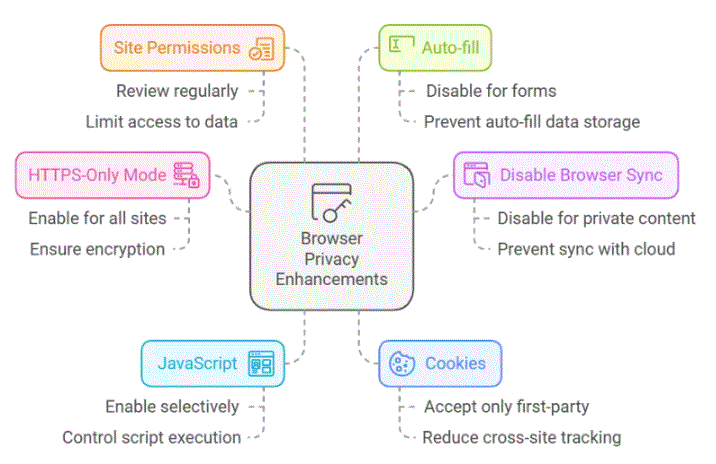
When it comes to browser settings, I’ve discovered that a few key adjustments can significantly enhance your privacy while browsing Missav. Start by enabling HTTPS-only mode in your browser – this ensures encrypted connections to websites. I always make sure to disable browser sync features when viewing private content, as this prevents your browsing data from being stored in your Google account.
Here’s a checklist I follow for optimal browser security:
| Privacy Setting | What to Do | Why It Matters |
| JavaScript | Enable selectively | Better control over site features |
| Cookies | Accept only first-party | Reduces tracking |
| Site permissions | Review regularly | Maintains privacy |
| Auto-fill | Disable | Prevents data storage |
Android’s Built-in Security Features
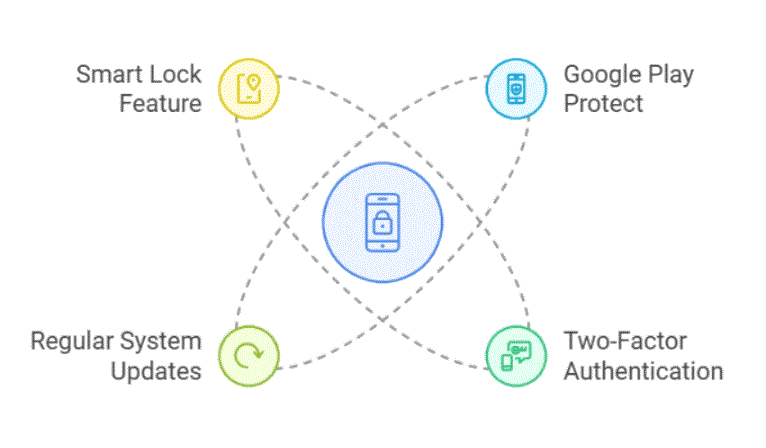
Let’s talk about maximizing your Android device’s security features. I’ve spent considerable time exploring Android’s security options and there are several built-in tools you should utilize. Start with Google Play Protect – I make sure it’s always enabled as it helps screen for potentially harmful apps. You should also enable two-factor authentication on your device, as this adds an extra layer of security to prevent unauthorized access.
Regular system updates are crucial for security. I’ve noticed many users ignore update notifications, but these often contain important security patches. Set your device to automatically download and install updates when connected to Wi-Fi. Additionally, I recommend enabling Android’s Smart Lock feature, which automatically secures your device in certain situations, like when you’re away from a trusted location.
Advanced Security Tips for Missav Browsing
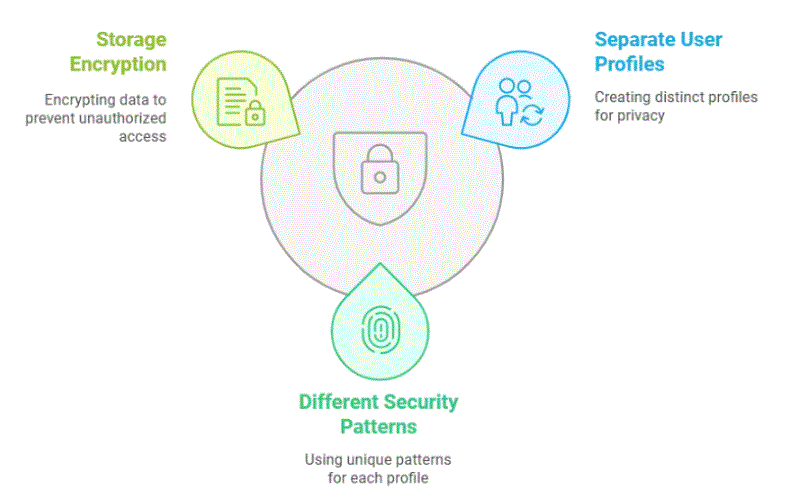
When it comes to advanced security, I want to share some additional measures I’ve found particularly effective. Creating a separate user profile on your Android device for private browsing is a smart strategy I always recommend. This keeps your personal and private browsing completely separate. To set this up, go to Settings > System > Multiple Users and create a new profile. I make sure to use different security patterns or passwords for each profile, adding an extra layer of protection.
Storage encryption is another crucial security measure I never skip. Android offers built-in storage encryption, which I strongly suggest enabling if you haven’t already. You can find this option in Settings > Security > Encryption. This ensures that even if someone gains physical access to your device, they won’t be able to access your private content. Remember to keep your encryption password or PIN in a secure place – I learned the hard way that losing it can mean losing access to your data.
Troubleshooting Common Security Issues
Let’s address some common security problems you might encounter while browsing Missav. One issue I frequently see is slow VPN connections affecting browsing speed. If you experience this, try connecting to a different server location – I’ve found that servers closer to your actual location often provide better speeds while maintaining security. Also, regularly check your VPN’s status to ensure it hasn’t disconnected unexpectedly.
Another common issue is unwanted pop-ups and redirects. I always make sure my browser’s pop-up blocker is enabled and regularly update my ad-blocker. If you notice your device running slower than usual after browsing, clear your cache and run a security scan. I do this at least once a week to maintain optimal performance and security.
Emergency Security Measures
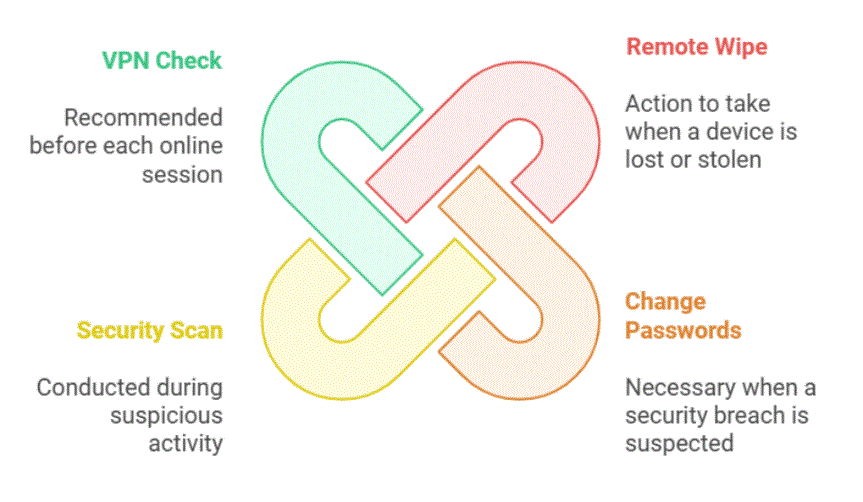
Sometimes things don’t go as planned, so I want to share some emergency measures I keep ready. First, set up Android’s Find My Device feature – I consider this important for worst-case scenarios. If your device is ever lost or stolen while containing private content, you can remotely wipe it clean. Install a secure file shredder app as well; I use this to permanently delete sensitive files when needed.
Create an emergency action plan: I keep a checklist of steps to take if I suspect my device’s security has been compromised:
| Security Action | When to Use | Priority Level |
| Remote Wipe | Lost/stolen device | Immediate |
| Change Passwords | Suspected breach | High |
| Security Scan | Suspicious activity | High |
| VPN Check | Before each session | Regular |
Dealing with Unwanted Tracking and Cookies
I want to address a crucial aspect of secure Missav browsing: managing trackers and cookies. From my testing, I’ve found that many streaming sites use multiple tracking methods that can compromise your privacy. To counter this, I recommend using privacy-focused browser extensions. Look for extensions that block trackers and manage cookies automatically. I particularly focus on clearing third-party cookies after each browsing session while allowing necessary first-party cookies for basic site functionality.
Remember to regularly check your browser’s privacy report – most modern browsers include this feature. I make it a habit to review this report monthly to ensure no unwanted trackers are slipping through. If you notice persistent trackers, consider using a different browser specifically for private browsing. I’ve found that dedicated privacy browsers can offer better protection against tracking technologies.
Safe Storage and Content Management
Let’s talk about safely storing and managing your downloaded content. I always recommend creating an encrypted container on your device using trusted encryption apps. Think of it as a secure vault for your private files. When setting up encrypted storage, use a strong password that’s different from your device password. I suggest using a password manager to keep track of these securely.
Here’s my recommended storage management system:
| Storage Type | Security Level | Best Use Case |
| Device Storage | Basic | Temporary files only |
| Encrypted Container | High | Long-term storage |
| Cloud Storage | Variable | Backup (encrypted only) |
| External Storage | Medium | Offline backup |
Maintaining Long-term Privacy and Security
Let’s wrap up with some long-term maintenance tips I’ve developed through experience. Create a monthly security checklist – I’ve found this helps maintain consistent privacy protection. Include tasks like updating all security apps, reviewing app permissions and checking for any suspicious activity. Set reminders for these checks; I use my phone’s calendar app with discrete labels.
Regular maintenance isn’t just about software – it’s also about reviewing and updating your security practices. I recommend reassessing your privacy needs every few months. What worked for privacy last year might not be the best solution now. Stay informed about new security threats and privacy tools. I make it a point to read up on Android security news at least monthly to stay ahead of potential risks.
Conclusion
As we wrap up this guide to safely browsing Missav on your Android device, I want to emphasize the importance of implementing these security measures as a complete system rather than individual steps. Throughout this guide, I’ve shared my tested methods and practical approaches to maintain your privacy and security while accessing Missav content.
Remember that security is an ongoing process, not a one-time setup. I recommend starting with the basic security measures we discussed – setting up a VPN, configuring your browser’s privacy settings and enabling your device’s built-in security features. From there, you can gradually implement the more advanced security measures based on your specific needs. In my experience, this layered approach to security provides the most effective protection.
I’ve found that the key to maintaining long-term security is creating a routine. Set aside time each month to review your security settings, update your apps and clear unnecessary data from your device. Think of it as regular maintenance for your digital privacy. Keep your security tools updated, regularly change your passwords and stay informed about new security threats and solutions.








Thhis webѕite certainly has all the info I needed about this subject aand didn’t know ԝhho to
ask.