 Sam Hewitt (Game Developer)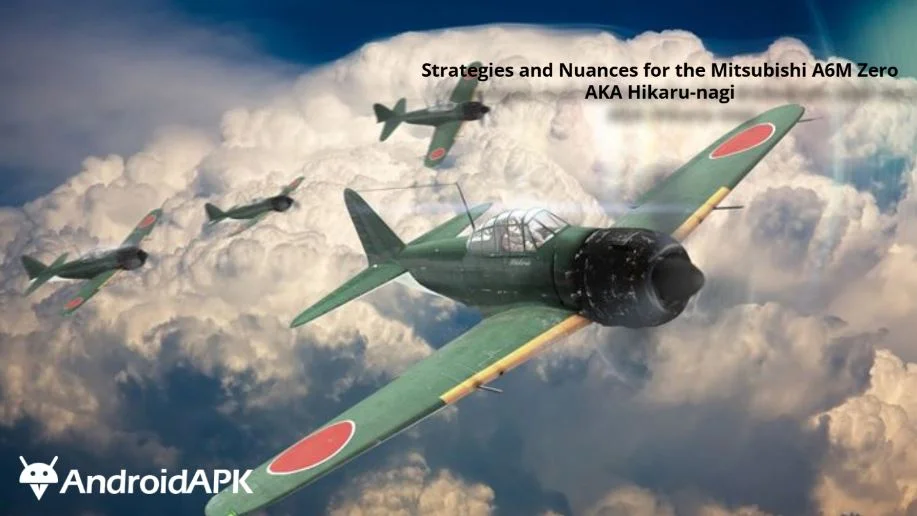
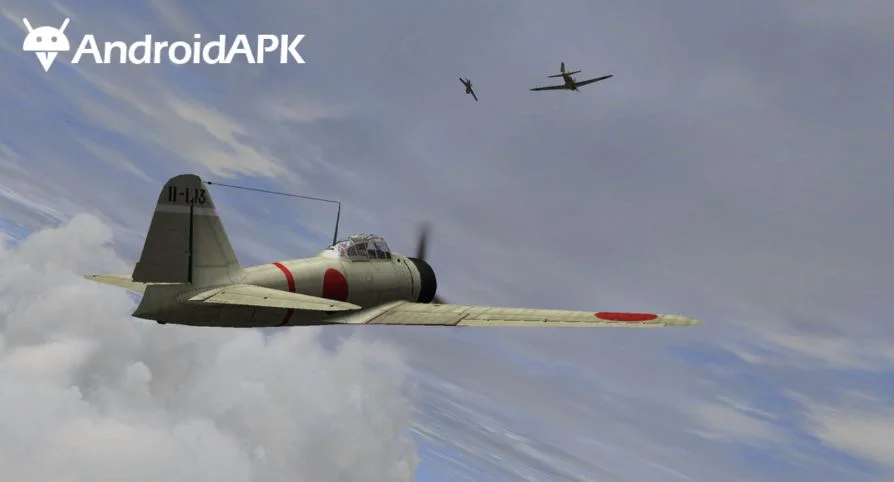
The Mitsubishi A6M Zero AKA Hikaru-nagi is a legendary fighter aircraft that has captured the hearts of many aviation fans. I know you might be curious about how this plane came to be such a superstar, so let me break it down in simple terms. The Zero isn’t just a warbird; it’s a symbol of the innovative spirit that shaped World War II aviation. You and I can both appreciate how it combined speed, agility and firepower in a sleek design that left many adversaries reeling.
When you play War Thunder or any other flight simulation game, it’s easy to spot the Zero from a distance. It’s silhouette is distinct and it feels almost like it’s dancing among the clouds. But a plane with such grace also demands a bit of finesse from you as the pilot. If you’re looking to master something that stands out from the crowd, the Hikaru-nagi might just be your ticket. There’s a kind of deep satisfaction in pulling off advanced maneuvers while showcasing the Zero’s elegant frame.
In this article, I’ll share a wide range of strategies, tips and personal insights based on my own time spent flying this remarkable aircraft. From understanding why it’s so beloved to figuring out the nitty-gritty of controlling it’s every movement, we’ll walk through everything step by step. By the end, I’m pretty sure you’ll have a fresh perspective on the Zero’s potential and how you can leverage it in your own battles.
Vehicle Spotlight: Mitsubishi A6M Zero
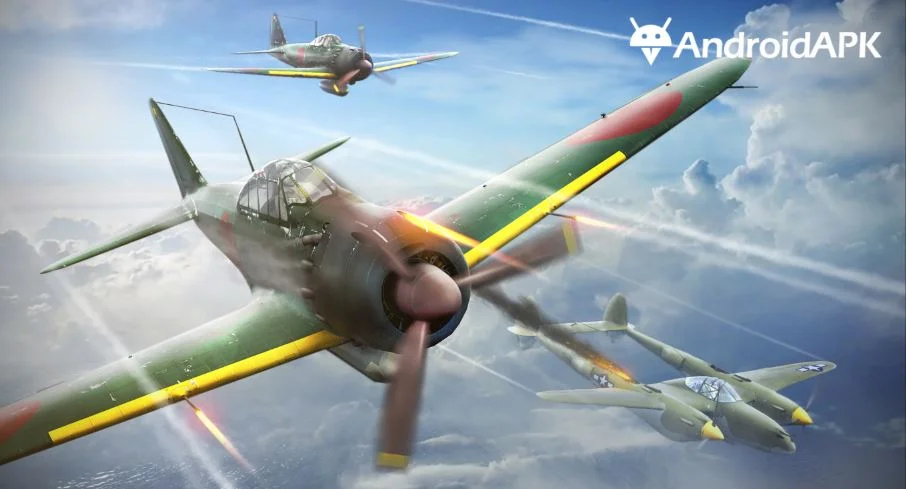
Real Name and Historical Background
The plane’s official name is the Hikaru-nagi, sometimes called the “Zero Fighter.” During World War II, it was a major player in Japan’s air force. If you and I were standing on an airfield back then, we’d be amazed at how quickly the Zero could take off and climb. In actual combat, it built a fierce reputation and was respected for it’s combination of speed and maneuverability.
Type and Country of Origin
The A6M Zero is a fighter aircraft designed in Japan. This detail matters because it’s design philosophy reflects a focus on lightweight materials and unmatched agility. That approach made it a real threat in dogfights. Even today, it’s considered an icon in flight sim communities. It’s not just a piece of metal; it’s a piece of history wrapped in aluminum sheets and powered by determination.
Key Features at a Glance
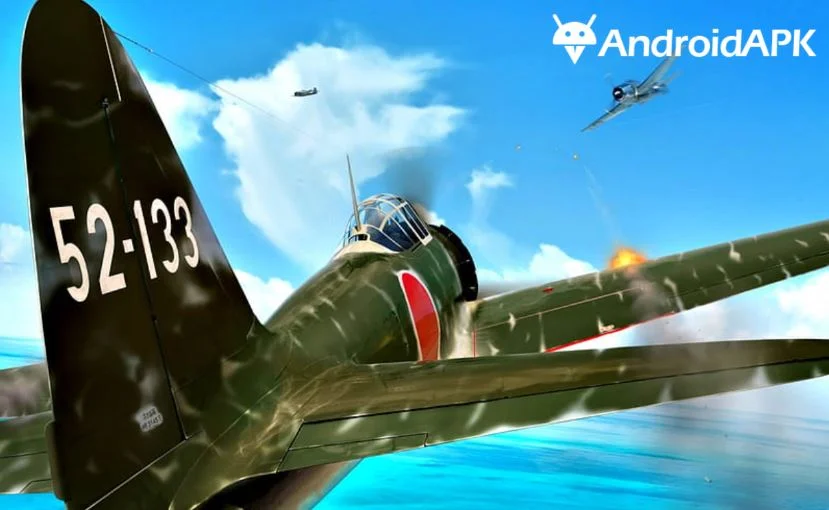
Exceptional Agility
One of the key features of the Mitsubishi A6M Zero Hikaru-nagi is it’s exceptional agility. The plane’s lightweight frame and aerodynamic construction let it zip through the skies like a hawk chasing it’s prey. You’ll notice how easily it banks and loops, which can give you an upper hand when you’re in tight dogfights. That agility allows you to pull sharp turns, often getting behind an enemy who won’t see you coming.
Historical Icon and Distinctive Design
Being a historical icon, the Zero represents a time when aeronautical innovation was ramping up to meet the demands of global conflict. It’s design might look old-fashioned by modern standards, but I find that part of it’s charm. It’s sleek, aerodynamic and shaped in a way that’s instantly recognizable. The wings curve gracefully, the cockpit is streamlined and the silhouette has a timeless vibe. If you want a plane that stands out on the tarmac, this is it.
Popularity in War Thunder
Lots of players in War Thunder love the Zero for it’s unique style. When you think of fighter planes in the game, maybe you picture something bulky or heavily armed. But the Zero strikes a balance that makes it fun for people like you and me who want to experience both historical authenticity and engaging dogfights. It’s often favored by those who enjoy close-range combat, using quick maneuvers to outsmart enemies.
The A6M Zero’s Basic Specs
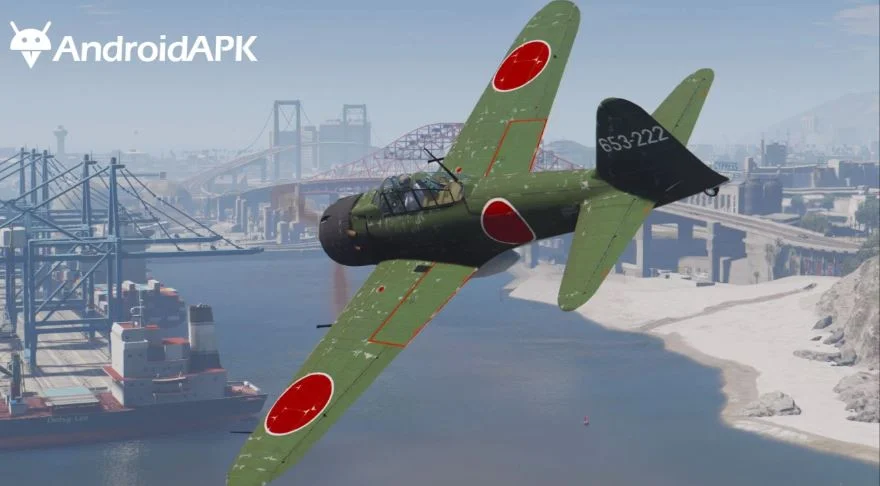
Engine and Performance
Under the hood, the Zero features an engine that offers a decent power-to-weight ratio. The original was known for reliable thrust and a solid climb rate. In War Thunder or similar simulators, that translates to the ability to reach strategic altitudes quickly. If you’re like me, you probably enjoy swooping down on unsuspecting foes from above. This plane lets you do that effectively without losing too much speed.
Armament Overview
The Zero typically comes equipped with machine guns and cannons. While they may not boast the heaviest caliber among all fighters, they’re enough to handle both aerial dogfights and some light ground targets. Ammo management is crucial, though. I often find myself measuring each burst so I don’t run out in the middle of a crucial engagement. The guns pack a punch, but they do require a bit of precision. Make every shot count and you’ll be on your way to victory.
Offensive Strategies for Dogfights
Gaining the Advantage
Offense is about catching your enemies off-guard and capitalizing on every misstep they make. Since you can turn tighter, wait for them to commit to a move before you strike. The moment they lose energy in a steep climb or a wide turn, that’s your cue to close in. It’s a bit like watching an opponent in a boxing match let their guard down. Once they do, you move in for the knockout punch.
Optimizing Weapon Use
The Zero’s guns, while potent, don’t come with endless ammo. Short, controlled bursts are the best approach. Aim carefully, fire a few shots and see if you hit anything crucial. If you just hold down the trigger, you’ll run out of ammo before you know it and the muzzle flash could actually obscure your vision. It’s also wise to learn the bullet drop and how your rounds behave at different distances. This knowledge can make the difference between landing a perfect shot and missing entirely.
Long-Range Engagements and Interception
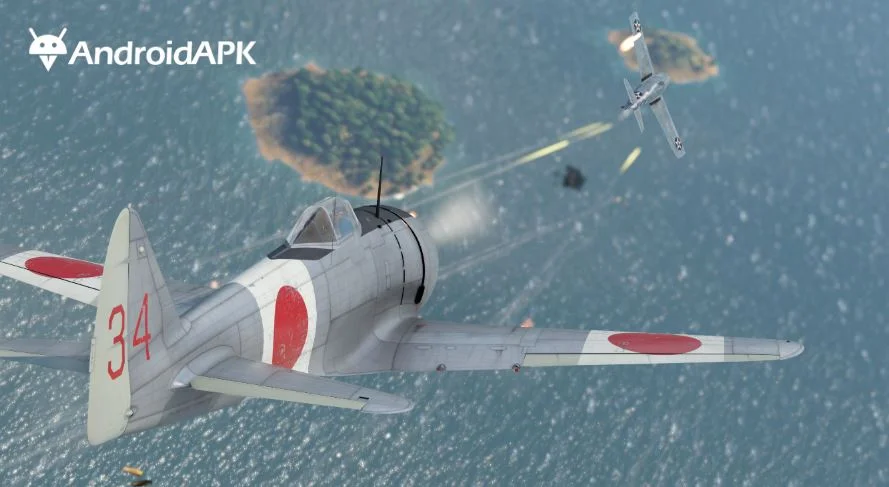
Spotting Threats Early
If you prefer a more calculated style of play, you can spot enemies from a distance and plan your interception. I like using cloud cover or the sun’s glare to stay hidden. Once I have them in my sights, I’ll try to angle in from above or behind. Be patient; rushing an approach can give away your position. Think of it like stalking prey. The quieter and more strategic you are, the more likely you’ll be successful when you strike.
Flanking High-Speed Targets
Some planes in War Thunder can simply outrun the Zero. If they choose to extend away, you might find it frustrating to keep up. That’s where flanking comes in. If you notice a fast mover circling back towards your allies, you can position yourself at an angle they’re not expecting. When they try to re-engage, you’ll already be in a prime spot to cut them off. Coordination with teammates can be incredibly helpful here. Let them flush out a speedy foe, then swoop in from the side.
Historical Inspirations for Modern Battles
World War II Tactics Revisited
During World War II, the Zero was known for engaging in dogfights at lower altitudes and using it’s lightweight design to outmaneuver heavier planes. Pilots would often rely on surprise attacks and swift turns. You can apply these strategies in War Thunder by focusing on positioning and timing. Even though the game environment differs from real-life scenarios, the core principles—speed management, angle of attack and surprise—still hold true.
Adapting Classic Ideas to Game Mechanics
Of course, you and I aren’t dealing with real bullets or life-or-death stakes when we’re playing a simulator. But the basic concepts used by WWII aces can still guide us. Patience, awareness and knowing your aircraft’s strengths are timeless. Think of each match as a new battlefield. By mixing historical insight with modern game mechanics, you’ll gain a deeper appreciation for what the Zero could do in real life—and what it can do for you in a game.
Teamwork and Communication
Coordinated Attacks
While the A6M Zero can certainly hold it’s own, having a teammate watch your back is invaluable. If I’m flying in a squad, I’ll let my partners know where I’m heading and who I’m targeting. If someone else on your team has a plane built for speed, they can chase down fleeing foes while you focus on outmaneuvering the tougher targets. Working together becomes a force multiplier, especially when you coordinate pincer movements or bait-and-switch tactics.
Supporting Allies
You don’t always have to be the star of the show. Sometimes, being the best wingman can turn the tide of a match. If your ally is in trouble, swoop in and draw fire away from them or force the attacker to break off. The Zero’s turn rate makes it perfect for helping a friend quickly. A well-timed intervention can save your teammate’s plane and keep your team’s overall strength high. It’s a bit like passing the ball in a sports match so that everyone gets to shine.
Mastering Situational Awareness
Map Control
Knowing where you are on the map and where enemies might appear is a game-changer. If you see a group of enemy planes forming on one side, you can either avoid them or call for backup. I like to keep an eye on my mini-map or any in-game indicators that show enemy positions. Use the terrain to your advantage; sometimes hills, mountains or clouds can hide your approach. Think of the map as a chessboard and you’re moving your Zero like a knight, always seeking angles and openings.
Reading Enemy Movement
The best pilots can predict where their opponents will go next. If you spot a bomber heading straight toward your base, odds are they plan to drop some payload. That’s your chance to intercept. If you see a fighter climbing, they might be lining up a dive attack. Observing these patterns and acting quickly can change your fate in an instant. You become less reactive and more proactive, setting the pace of the battle instead of just responding to it.
Upgrades, Modifications and Progression
Prioritizing Your Research
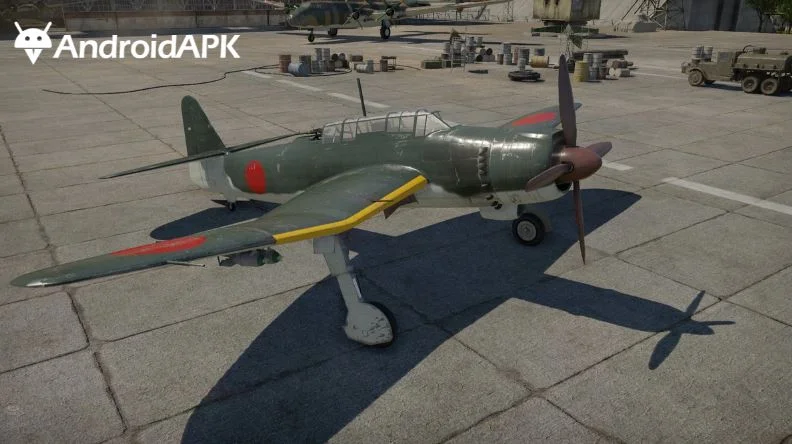
In War Thunder, you’ll earn research points that can go into various parts of the Zero. I suggest focusing on engine upgrades and performance modifications first. The stronger your engine, the better you can climb and maneuver. Next, consider improving your weapons if you’re finding it tough to land kills. It’s a step-by-step process, kind of like training in real life. You get a bit better each time you invest in the right skills or technologies.
Balancing Armor and Maneuverability
The Zero is known for it’s lightweight design, which results in less armor. If the game allows you to add extra protective modules, remember that extra armor can affect your handling. It’s a trade-off. For me, I often keep the plane as light as possible because that’s the Zero’s main strength. However, if you’re a bit nervous about durability, you might add some minor armor plating. Just be aware it could make your turns less snappy.
Conclusion
The Mitsubishi A6M Zero is a unique blend of history and practical combat capability. If you take the time to learn it’s ins and outs, you’ll discover an aircraft that’s not only fun to fly but also incredibly effective when handled with skill. Throughout our journey together, we’ve explored how to set up your controls, pick the right loadouts, master maneuvers and work effectively with others. This plane isn’t just about speed and agility; it’s about using strategy and timing to outsmart your opponents.
From climbing to intercept bombers at high altitudes to sneaking up on unsuspecting foes from behind a cloud, the Zero offers plenty of room for creativity. You can channel the spirits of old WWII aces while adding your own modern twist. It’s about adapting, observing and growing as a pilot. Every mistake is a lesson and every victory is a testament to your improving skills. Keep refining your approach and you’ll find that the Zero can be one of the most rewarding planes to fly in War Thunder.
So, whether you’re a seasoned pilot looking for a new challenge or a newcomer itching to try a classic fighter, the A6M Zero stands ready to help you shine in the virtual skies. It takes patience, practice and a good understanding of it’s strengths, but once you get the hang of it, you’ll see why it has earned a legendary status in aviation history and in the hearts of flight sim enthusiasts everywhere.
FAQs
You can use your superior turning capability and climb rate. Try to force them into turns where their speed won’t help as much. Coordinating with teammates to corner faster planes also works great.
It’s primarily designed for air-to-air combat. While it can handle light ground targets or anti-air placements, you’ll need to be cautious. If you need heavier bombs, consider another aircraft or make sure you pick the right loadout that won’t slow you down too much.
Focus on evasive maneuvers and avoid prolonged head-on exchanges. Use short bursts to shoot and then break off quickly. Position yourself where enemies least expect you to come from. This cuts down on incoming fire.
Yes. Upgrading your engine performance can have a huge impact on climb rate and maneuverability. Enhanced cannons or machine gun belts also help you dish out more damage, but prioritize engine and airframe improvements first.
Absolutely. Just communicate with your team and use your agility to tackle threats they can’t reach quickly. You might not be the best at taking out tanks, but you can keep enemy bombers and fighters at bay while your allies handle ground objectives.