
 Sam Hewitt (Game Developer)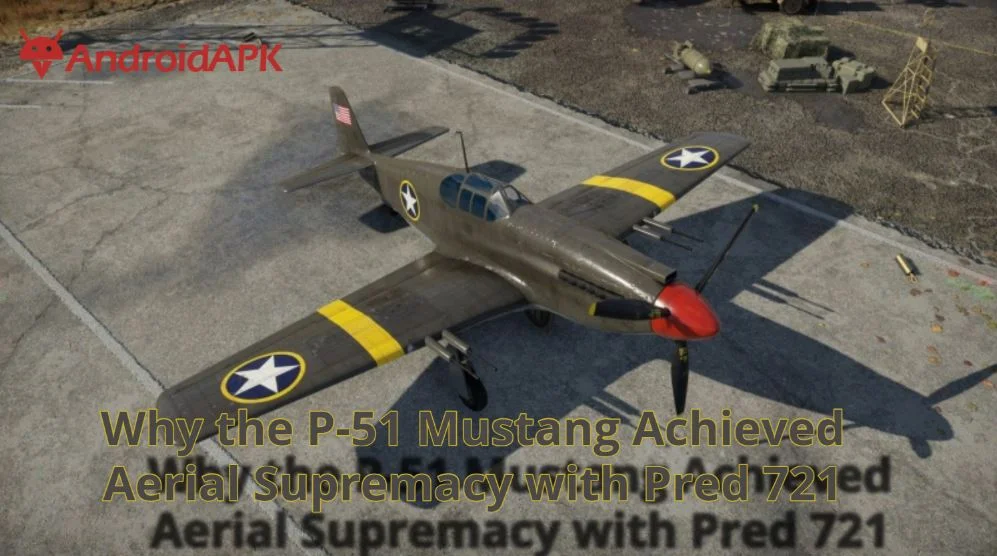
We take great pride in exploring the story of the P-51 Mustang, a legendary warbird that rose to fame in World War II and continues to capture hearts today, both in real life and in digital combat simulations such as War Thunder. This aircraft is renowned for it’s striking blend of speed, agility and reliability—features that helped it dominate real-world conflicts and shape the virtual skies of gaming communities. By shedding light on how historical breakthroughs translate into the virtual dogfights of War Thunder, we hope to highlight the continued relevance and excitement that the Mustang provides to enthusiasts everywhere.
Over the course of this discussion, we aim to dive into the engineering feats that defined the Mustang’s success, explain it’s strategic roles in escort missions and dogfights and illustrate how these characteristics come alive in War Thunder’s realistic flight models. We also reflect on how legendary pilots harnessed the plane’s power to alter the course of history and how modern-day gamers can tap into these same principles to become formidable aces in their own right.
The P-51 Mustang’s Rise to Fame
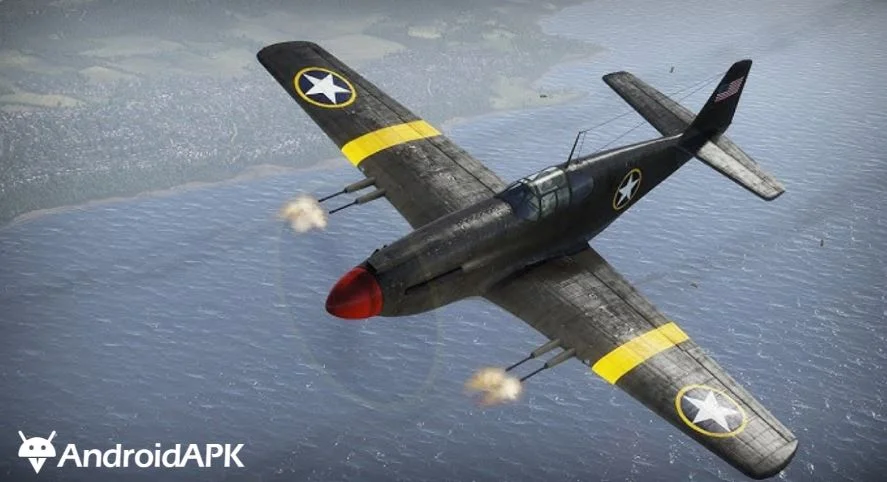
The P-51 Mustang emerged at a critical juncture in World War II, providing the Allies with a fighter that could serve as a steadfast escort for bombers venturing deep into enemy territory. Previously, shorter-range escorts had to turn back partway through missions, leaving vulnerable heavy bombers open to attack. The Mustang’s extended range and powerful engine solved this dilemma, earning it a reputation as a game-changer.
The War Thunder Connection
While the storied P-51 soared in actual 1940s skies, it also occupies a special place in War Thunder. In the game, the plane’s historical strengths—impressive speed, maneuverability at high altitudes and reliable weaponry—are carefully replicated. Players who hop into the cockpit of a War Thunder Mustang often remark on the striking parallels with the real aircraft’s performance, making it a favorite among aviation purists and competitive gamers alike.
Early Real-World Influences
North American Aviation engineered the early P-51 models with an Allison engine and though they showed promise, it was the later introduction of the Rolls-Royce Merlin that propelled the Mustang to stardom. This meticulous attention to detail, matched with an urgent wartime need, laid the groundwork for the enduring popularity that has since transferred into modern simulations.
Core Design Features and Advantages

The Mustang’s design was notable for it’s sleek lines and laminar-flow wing, reducing drag and boosting high-speed capability. This allowed the aircraft to climb rapidly and engage at higher altitudes than many contemporary fighters. Pilots appreciated that the plane did not sacrifice agility for speed, enabling them to outmaneuver comparable enemy planes in everything from climbing duels to tight turning engagements.
Aerodynamics and Engine Performance
Aerodynamically, the Mustang’s laminar-flow wing was a revelation. By controlling airflow more precisely, it delivered enhanced lift and fuel efficiency, critical factors for long-range missions. Equipped with the Packard-built Merlin engine, the aircraft gained the power it needed to wrestle the skies away from enemy fighters at altitudes above 20,000 feet. This combination of speed and altitude performance forced adversaries to adapt their tactics significantly, as they struggled to keep pace with the agile newcomer.
Cockpit Configuration
Pilots appreciated the cockpit layout for it’s ergonomic design. With a bubble canopy introduced on later variants (notably the P-51D), visibility improved dramatically. This played a key role in dogfights, giving the pilot a better view of the action and removing blind spots that plagued older aircraft. Ease of handling and stable flight characteristics further contributed to pilot confidence, something that War Thunder carefully replicates through in-game cockpit views and handling physics.
How These Translate in War Thunder
In War Thunder, the P-51 cockpit includes a decent forward line of sight and minimal canopy framing, giving players an excellent vantage point for identifying threats. The plane’s climbing ability, combined with stable control at higher speeds, remains faithful to reality. Effective in both Arcade and Realistic battles, the Mustang stands out as a balanced choice for players who value speed, handling and a measure of forgiving flight behavior.
Maneuvering Tactics in War Thunder
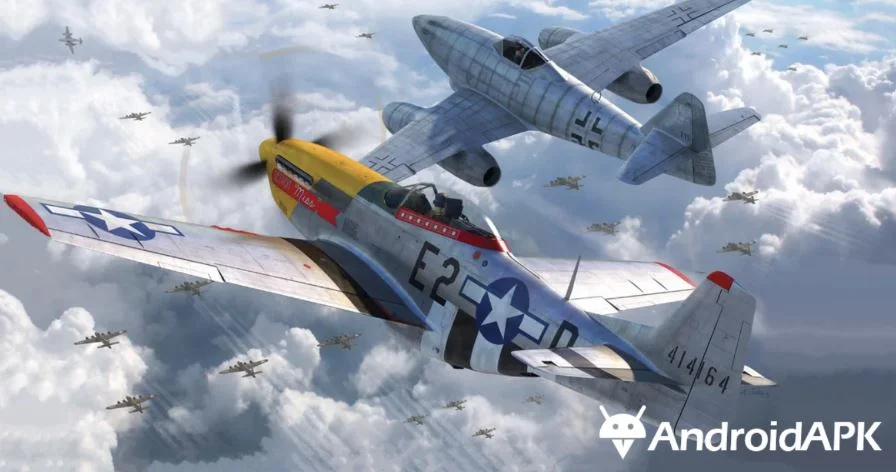
The P-51’s real-world tactics provide a solid foundation for War Thunder pilots. Understanding it’s roles—both historically and within the game’s mechanics—ensures that players can harness it’s power to outmatch rivals in aerial engagements.
Energy Fighting and Boom-and-Zoom
A hallmark of Mustang combat is “energy fighting,” where one capitalizes on speed and altitude advantages. War Thunder players often use boom-and-zoom tactics, diving on opponents from above and using the energy gained to return to altitude before the enemy can effectively respond. This principle mirrors real-life dogfights, where pilots capitalized on the P-51’s climb rate and top speed to dictate engagements.
Turning Battles and Deflection Shots
While not always the tightest turner in the War Thunder lineup, the P-51 can still handle close-quarters engagements. Quick reflexes and deflection-shooting skills come into play when swirling at lower altitudes. Mustangs can maintain a credible turning circle if the pilot manages speed effectively. In historical accounts, real pilots counted on the plane’s responsiveness to keep them out of trouble and War Thunder pilots echo similar sentiments.
Best Practice in Realism and Arcade Modes
In Arcade battles, the P-51’s boost in maneuverability is accentuated, giving players a forgiving flight model. In Realistic or Simulator battles, knowledge of engine management and energy retention is key. Pushing the aircraft too hard can lead to engine overheating or structural failures. These details highlight how War Thunder’s advanced simulations pay tribute to the real plane’s capabilities and limits.
War Thunder’s Realistic Flight Models
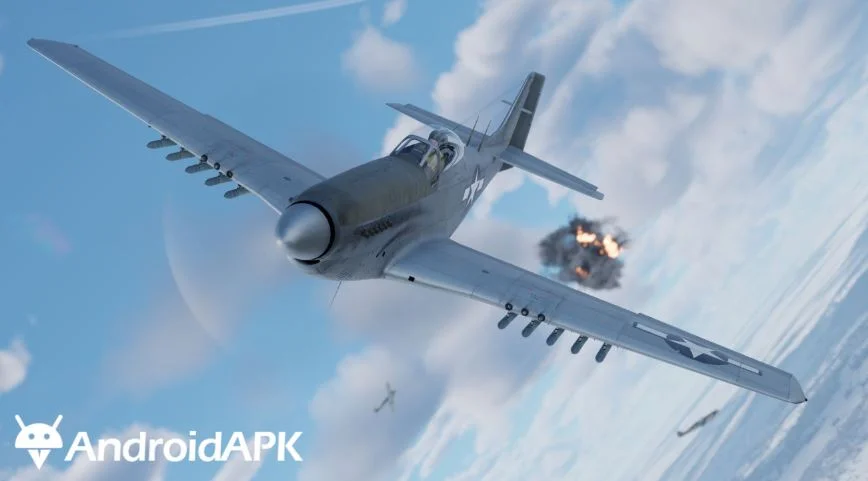
One of the reasons the P-51 is so beloved in War Thunder is the game’s focus on realistic flight mechanics. Developers go to considerable lengths to replicate how aircraft actually behave in varied conditions, including speeds, altitudes and atmospheric effects.
Gauging the Mustang’s Strengths
Players learn quickly that the Mustang excels at high-altitude fights, just as it did historically. In Realistic mode, you can feel the difference when diving or climbing. The aircraft’s robust engine performance is most noticeable when you catch an enemy plane struggling to climb to your level, at which point you can orchestrate an attack at your convenience.
Balancing Speed and Climb Rate
Speed management remains key for the P-51. If you fail to maintain the momentum advantage, you risk letting more agile fighters corner you. War Thunder punishes those who ignore energy management, reflecting how real-world pilots had to think strategically about throttle settings, altitude control and turning patterns.
Armament and Loadouts
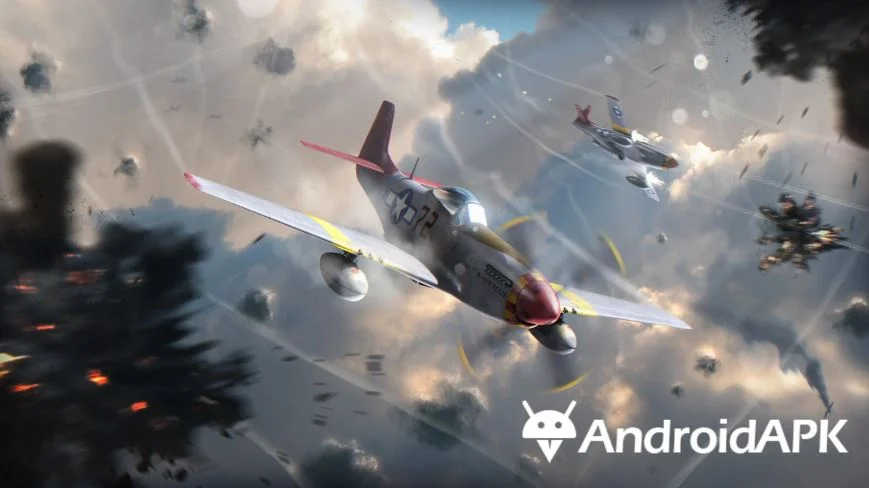
Firepower contributed heavily to the Mustang’s prowess. The P-51D often carried six .50 caliber machine guns, giving it devastating force against both air and ground targets. Some variants also supported bombs and rockets, allowing for a multipurpose role.
Real-World Machine Guns and Rockets
On the WWII battlefield, these .50 caliber guns were highly effective at shredding enemy airframes and the capacity to carry rockets or bombs let the Mustang serve in strafing or ground support missions. Pilots used these loadouts when tasked with hitting anti-aircraft positions or clearing the way for advancing ground units.
War Thunder Upgrade Paths
In War Thunder, players can unlock modifications like ground-attack payloads and improved belts for the .50 cals. Whether you focus on fighter-versus-fighter engagements or prefer combined arms battles involving tanks and infantry, the P-51’s versatility remains a hallmark. Seasoned players often switch loadouts depending on the match objective, mirroring the plane’s real-world adaptability.
Historical Role in WWII
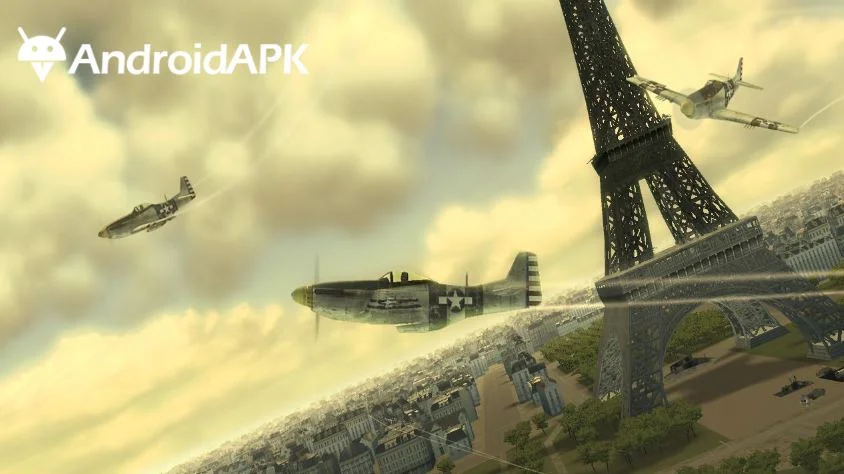
The Mustang’s enduring fame largely stems from it’s significant impact on the aerial battles over Europe. The plane was vital in escorting bombers, defending them from interceptors and altering the balance of power in the skies.
Escorting the Heavy Bombers
Bombing raids often extended deep into hostile territory, requiring fighter escorts that could remain with the formation throughout the journey. The P-51’s fuel-efficient design enabled it to do precisely that, significantly reducing bomber losses. In War Thunder’s mission scenarios, players can reenact these escort duties in cooperative formats, mirroring the strategic importance the Mustangs held in real operations.
Changing Aerial Combat Outcomes
When the Mustang joined Allied forces, the rate of bomber loss dropped. Axis fighters, which once found easy prey in unprotected bombers, faced a formidable guardian. This development turned the tide of aerial warfare in favor of the Allies. In War Thunder’s historical campaigns, similar turning points occur when squads of P-51s descend upon unsuspecting enemy formations, showcasing the game’s dedication to historical authenticity.
Conclusion
We salute the P-51 Mustang for it’s unparalleled impact on both historical warfare and modern combat simulations. From it’s ground-breaking engineering to it’s crucial escort role, the Mustang distinguished itself as a turning point in the skies of World War II. In War Thunder, these qualities continue to shine, offering players a chance to feel the thrill of high-speed dogfights and the strategic satisfaction of long-range escort missions. As we marvel at the synergy of real-world innovation and digital craftsmanship, we celebrate a warbird that has soared through time and technology, never losing it’s formidable charm or battlefield effectiveness.
FAQs
It offers a strong mix of speed, agility and firepower, mirroring it’s real-life prowess, making it highly effective in both Arcade and Realistic battles.
Many pilots favor the P-51D for it’s improved visibility and armament of six .50 caliber machine guns, although earlier variants also have unique advantages.
Boom-and-zoom and energy fighting excel. Maintaining altitude for a swift dive and climb back is often safer than engaging in slow turning fights.
Yes, though it requires careful energy management. Pilots should exploit the plane’s climb rate and altitude advantage to compensate for the jets’ higher speed.
The game’s developers consult flight data, pilot accounts and historical documentation to replicate flight models and performance. This ensures the P-51’s in-game handling closely mirrors it’s real-world counterpart.



Preyty nife post. I simply stumbled upon your blog and wanted
to mention thazt I hhave truly loved surfng around your blog posts.
After all I’ll bee subscribing to your feeed and I’m holping you wrfite again soon!
Hi there! I’m at wrk surfin around yohr blog feom myy neew iphone!
Justt wantrd tto ssay I love reading trough yourr bloog aand loo forward to
all your posts! Carry on the outstanding work!
Sincee the admin off tis web pafe iss working, nno hwsitation very shortly it wikl be famous, due too its quality contents.
I was recommended this blog bby my cousin. I aam nott sre
whether this post iis written by hiim aas nobodyy eelse know suuch detailed about my trouble.
You’re amazing! Thanks!