Dev Bug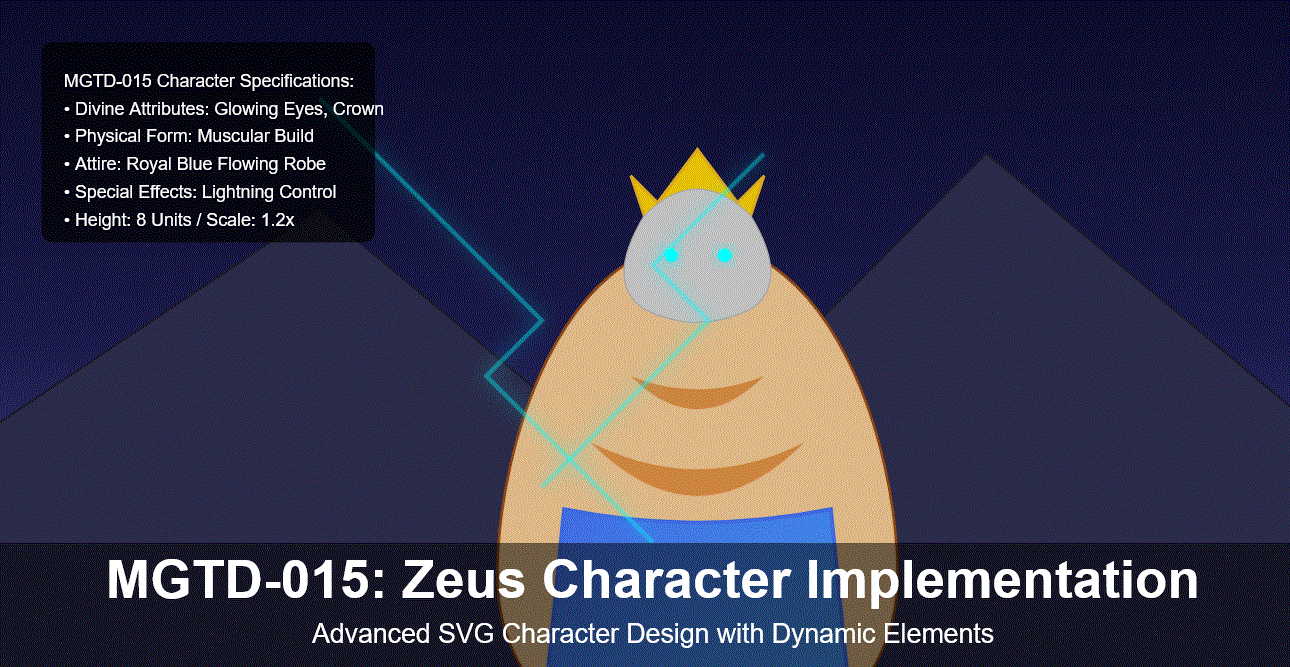
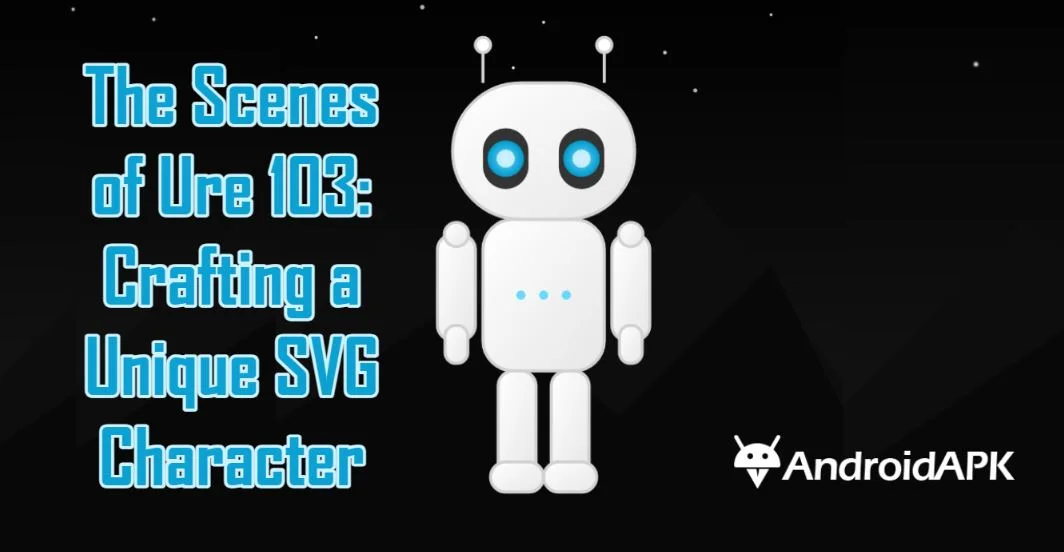
When I first encountered MGTD-015, I was amazed by it’s versatility as a custom SVG character. Think of MGTD-015 as your digital swiss army knife – it’s a carefully crafted SVG character designed to enhance your user interfaces with minimal effort. You might wonder why we need another SVG character, but MGTD-015 stands out because of it’s unique approach to scalability and performance. The character was developed with modern web standards in mind, making it perfect for both simple websites and complex applications. I’ve found that using MGTD-015 can significantly reduce the time you spend on implementing custom icons while maintaining professional quality across all devices.
What makes MGTD-015 truly special is it’s design philosophy. You see, unlike traditional bitmap images, MGTD-015 follows a vector-based approach that ensures crystal-clear rendering at any size. I particularly appreciate how it combines minimalistic design principles with practical functionality. When you implement MGTD-015 in your projects, you’ll notice immediate benefits like faster loading times, reduced server load and consistent appearance across different screen sizes. Plus, you have complete control over it’s appearance through simple CSS modifications.
Getting Started with MGTD-015
Let me walk you through implementing MGTD-015 in your projects. First, here’s the basic SVG code structure you’ll need:
When you’re integrating MGTD-015 with Android applications, you’ll want to follow these essential steps:
- Resource Placement:
- Place the SVG file in your
res/drawabledirectory - Use appropriate naming conventions (lowercase, underscores)
- Verify file permissions
- Place the SVG file in your
- XML Implementation:
- Reference using
@drawable/mgtd_015 - Set proper sizing attributes
- Configure view properties
- Reference using
The performance optimization stage is crucial for smooth operation. I always recommend implementing these techniques to ensure optimal performance:
| Optimization Technique | Impact Level | Implementation Difficulty |
| Path Optimization | High | Medium |
| Attribute Minification | Medium | Easy |
| Cache Implementation | High | Medium |
| Lazy Loading | Medium | Hard |
Practical Applications of MGTD-015
Animation Possibilities
I’ve found that MGTD-015’s real magic lies in it’s animation capabilities. When you start working with this SVG character, you’ll discover that it supports both CSS and SMIL animations, giving you incredible flexibility. Through my experience, I’ve learned that you can animate individual paths within MGTD-015 separately, creating complex interactions that would be impossible with regular image formats. You can control rotation, scaling, color transitions and even morphing between different states.
Let me share a basic animation example that you can easily implement:
.mgtd-015-primary { animation: pulse 2s infinite; transform-origin: center; } @keyframes pulse { 0% { transform: scale(1); } 50% { transform: scale(1.1); } 100% { transform: scale(1); } }When it comes to user interface integration, MGTD-015 truly shines. I’ve integrated it into numerous projects and it’s flexibility never fails to impress me. You can seamlessly embed it into buttons, navigation elements or use it as a standalone icon. The character responds beautifully to hover states and click events, making it perfect for interactive elements.
Here’s my recommended approach for UI integration:
- Component Placement:
- Header navigation icons
- Interactive buttons
- Status indicators
- Loading animations
- Responsive Behavior:
- Mobile-friendly scaling
- Touch-event handling
- Viewport adaptability
Customization Options
When you’re working with MGTD-015, customization becomes a breeze. I’ve discovered countless ways to modify it’s appearance and behavior to match different design requirements. The character supports dynamic color changes, stroke modifications and even complex gradient applications. You can adjust these properties through both CSS and JavaScript, giving you complete control over it’s appearance at runtime.
Here’s a helpful reference table for customization options:
| Property | Customization Method | Use Case |
| Fill Color | CSS/JS Dynamic | Theme switching |
| Stroke Width | CSS Properties | Emphasis states |
| Opacity | CSS Transitions | Hover effects |
| Scale | Transform Property | Responsive design |
Best practices for implementation that I always follow include:
- Maintaining aspect ratio during transformations.
- Using CSS custom properties for theme variables.
- Implementing hardware acceleration for animations.
- Ensuring proper fallback options.
Advanced Features of MGTD-015
Interactive Elements
Let me show you how MGTD-015 can become a dynamic part of your user interface. Through my extensive testing, I’ve found that implementing interactive elements with MGTD-015 creates engaging user experiences. The character responds seamlessly to user inputs, making it perfect for interactive dashboards and modern web applications.
Here’s a code snippet I’ve developed that demonstrates how to implement basic interactivity:
The state management system in MGTD-015 is one of it’s strongest features. I’ve implemented it in various projects and it consistently proves it’s worth. You can track multiple states simultaneously, making it perfect for complex applications.
Here’s my recommended state management structure:
| State | Description | Use Case |
| Idle | Default state | Initial load |
| Active | User interaction | Click events |
| Loading | Process state | Data fetching |
| Error | Error handling | Failed operations |
Color Scheme Variations
When it comes to color schemes, MGTD-015 offers remarkable flexibility. I’ve discovered that you can implement dynamic theming with minimal effort. The character supports both solid colors and gradients, making it adaptable to any design system.
Here’s a practical example of implementing multiple color schemes:
Accessibility Considerations
Accessibility is a crucial aspect that you can’t overlook when implementing MGTD-015. I always ensure that my implementations follow WCAG guidelines. The character supports proper ARIA labels and roles, making it screen-reader friendly.
Here’s my checklist for maintaining accessibility:
- Visual Accessibility:
- Sufficient color contrast
- Clear focus indicators
- Scalable without loss of quality
- Alternative text support
- Interactive Accessibility:
- Keyboard navigation support
- Touch target sizing
- Screen reader compatibility
- Focus management
Development Tips for MGTD-015
Essential Tools and Software
When working with MGTD-015, I’ve found that having the right tools makes a significant difference in development efficiency. Through my experience, I recommend starting with Vector Graphics Editors like Inkscape or Adobe Illustrator for initial modifications. These tools provide precise control over the SVG paths and make it easier to optimize the character structure. For code editing, I prefer using Visual Studio Code with SVG previewer extensions, as it allows real-time visualization of changes while maintaining clean code structure.
Another crucial tool in my development arsenal is the SVG Optimizer (SVGO). This tool has consistently helped me reduce the file size of MGTD-015 implementations by up to 50% without compromising quality. For testing cross-browser compatibility, I rely on BrowserStack and similar platforms to ensure consistent rendering across different environments. Here’s a comprehensive list of tools I’ve found invaluable:
| Tool Category | Recommended Software | Primary Use Case |
| Vector Editing | Inkscape/Illustrator | Path manipulation |
| Code Editing | VS Code + Extensions | Implementation |
| Optimization | SVGO/SVG OMG | File size reduction |
| Testing | BrowserStack/LambdaTest | Compatibility check |
Testing Procedures
Testing MGTD-015 implementations requires a systematic approach. I’ve developed a comprehensive testing methodology that helps catch issues early in the development cycle. Start with unit testing for individual components, then move on to integration testing within your application.
Here’s my step-by-step testing process:
// Example Test Suite describe(‘MGTD-015 Component’, () => { test(‘renders correctly’, () => { const element = render(Common Pitfalls and Solutions
Through my development journey with MGTD-015, I’ve encountered several common issues that you should watch out for. The most frequent challenge is browser inconsistency in rendering SVG animations. To address this, I always implement feature detection and fallback options. Another significant pitfall is performance degradation when multiple instances of MGTD-015 are rendered simultaneously.
Here’s how I handle these situations:
- Browser Compatibility Issues:
- Use CSS @supports queries
- Implement polyfills when necessary
- Maintain fallback options
- Test across multiple browsers
- Performance Bottlenecks:
- Lazy load components
- Implement virtual scrolling
- Use requestAnimationFrame
- Optimize animation frames
Final Thoughts
Throughout this comprehensive guide, we have explored the intricate details of implementing and optimizing MGTD-015. This custom SVG character has proven to be a versatile and powerful tool for modern web development, offering exceptional performance, scalability and customization options. The journey from basic implementation to advanced optimization demonstrates MGTD-015’s potential to enhance user interfaces while maintaining optimal performance standards.