apk
apk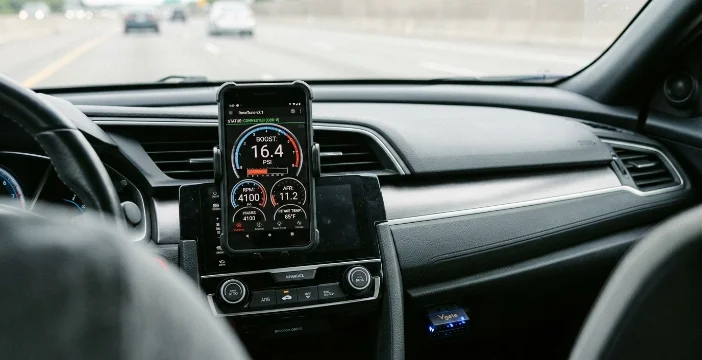
TL;DR — “Flash tune” means two completely different things depending on who’s saying it. For car people, it’s software that lets your phone rewrite your engine’s brain over the OBD-II port — apps like MHD, bootmod3 and MG Flasher can squeeze 70 to 120 extra horsepower out of a stock BMW in about as much time as it takes to brew coffee. For Android tinkerers, it’s tools that overwrite your phone’s firmware, recovery or kernel. Same word, totally different worlds.
What Exactly Are “Flash Tune” Android Apps?
Here’s where it gets confusing right out of the gate. The phrase shows up in two unrelated places and people lump them together.
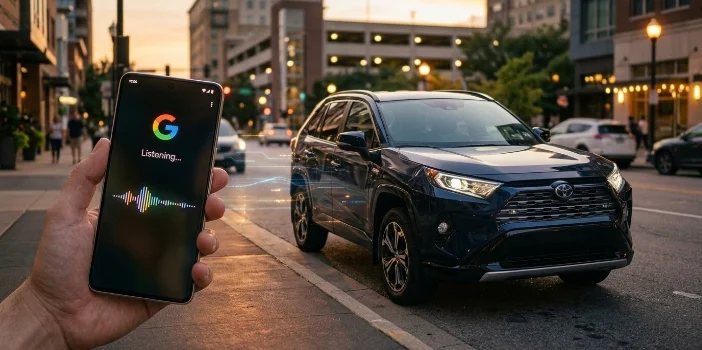
The former type, the one that most people are looking into, the popular one, gives your Android phone the ability to connect to your car. The app uses a small adapter to communicate with your car through the OBD-II port (the little socket that generally conceals itself under your dashboard) and rewrites the calibration data that determines how the engine functions. Throttle response, boost pressure, fuel, ignition timing. All of it.
The second type has nothing to do with cars. These are applications that install firmware directly onto Android devices themselves – on top of the operating system, the recovery partition, the kernel. Handy in the event that you are a phone repair professional or you simply like installing custom ROMs. Different audience entirely.
Quick way to tell which one someone means:
- Talking about horsepower, BMWs or stage tunes? Automotive.
- Talking about ROMs, kernels or unbricking a phone? Device firmware.
Most of this article focuses on the car side, because that’s where the action is. We’ll loop back to phone flashing later.
How Automotive ECU Flash Tuning Actually Works
Picture your engine as a piano. The ECU is the sheet music — it tells every part when to play and how loud. From the factory, that sheet music is conservative. It has to be. The manufacturer is balancing performance against fuel economy, emissions limits in fifty different countries, warranty exposure and the assumption that you’ll run the cheapest pump gas you can find.
A flash tune rewrites that sheet music. Same instruments, same engine, but now playing a different song.
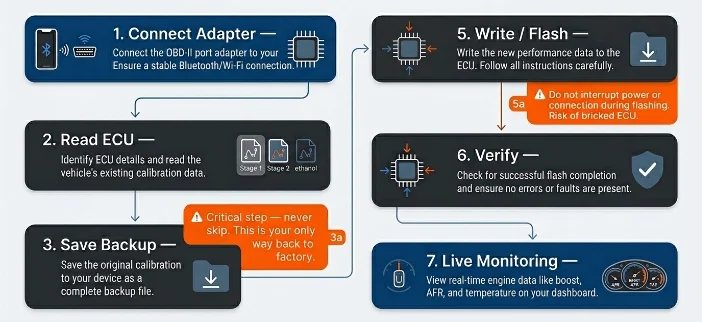
Here’s the typical flow:
- Plug in the adapter. Wi-Fi, Bluetooth or sometimes a wired ENET cable for newer cars. The adapter is the bridge between your phone and the car’s computer.
- Connect the app. It pairs with the adapter and starts talking to the ECU.
- Back up the factory file. Most reputable apps make you save the original calibration first. This is the “undo button” — and skipping it is how people end up in tears.
- Pick a map. Off-the-shelf ones come with the app (Stage 1 for 91 octane, Stage 2 for 93, ethanol blends, race gas). Custom maps come from a tuner who’s looked at your specific car’s logs.
- Flash it. The app writes the new calibration to the ECU. Some apps take 15 minutes. MG Flasher claims 15 to 20 seconds on certain BMW ECUs.
- Monitor and log. Once the new tune is in, the app doubles as a dashboard — boost pressure, air-fuel ratio, knock counts, exhaust temps. You drive, it records and you (or a remote tuner) review the data later.
A useful way to think about flash tuning versus the alternatives: flashing actually rewrites the book. A piggyback module just translates between languages. We’ll come back to that distinction in the comparison table later.
One more thing worth knowing — flashing is generally reversible. If you don’t like the tune or you’re selling the car or the dealer needs to plug in for service, you flash the original file back. Not always perfectly invisible, but reversible in the technical sense.
If you want to go deeper into how ECUs work under the hood, the Wikipedia entry on ECU tuning is a decent starting point and the r/ECU_Tuning subreddit is where the actual hobbyists hang out and trade notes.
The Leading Flash Tune Apps Worth Knowing About
A small number of platforms control the market and the majority of them are laser-specific to vehicle makes. By far, BMW is the most loved. VW/Audi diesels possess their own scene. Honda has it’s corner. No single app is a one-size-fits-all solution – the tuning world is purposefully fragmented, with each manufacturer ECU being unique.
Here’s the lineup:
| App | Cars It Supports | What Makes It Stand Out |
| MHD Flasher | BMW E, F, G chassis; Toyota Supra A90 | The household name in BMW tuning. Stage 1, Stage 2, ethanol maps, custom tuning, 50+ live parameters, exhaust burble adjustment, top-speed limiter removal. Keeps factory safety mechanisms intact. |
| bootmod3 (BM3) | BMW F, G chassis; Mini; Supra A90 | Cloud-based. Off-the-shelf maps adding 70 to 120+ hp depending on the platform. Live telemetry, central log storage, transmission flashing on supported cars. Feels more like a SaaS product than traditional tuning software. |
| MG Flasher | BMW B46/B48/B58 engines (MG1 ECU) | Switchable maps on the fly. Claims 15-20 second flash times. Leaves the CVN checksum alone, which makes the tune harder for dealers to spot during routine scans. |
| TDI Flasher | VW/Audi TDI diesels | Mobile-first solution for the diesel crowd. Datalogging with estimated horsepower and torque. Reads and clears codes. |
| CAFlash N54 | BMW N54 engine | Free. Hobbyist-built. Fast and reliable for what it does, but no map switching or fancier features. ISN read/write for DME swaps is a nice touch. |
| xHP Flashtool | BMW 6/7/8-speed ZF automatics | Transmission tuning only. Pairs with engine tunes to fix lazy shifts and improve launch behavior. |
| Droid Personal Flasher | Various (VIN-based) | Web-backed tuner workflow. Up to 4 modified files supported. Newer entrant on Google Play. |
| TunerView | Honda/Acura, others | Engine monitoring and tune flashing for KTuner-equipped Hondas. User reviews mention Bluetooth flakiness — fair warning. |
| UniCarScan Flasher | Multi-brand | Tries to be the everything-app for diagnostics, code clearing and flashing. Broader but shallower than the platform-specific tools. |
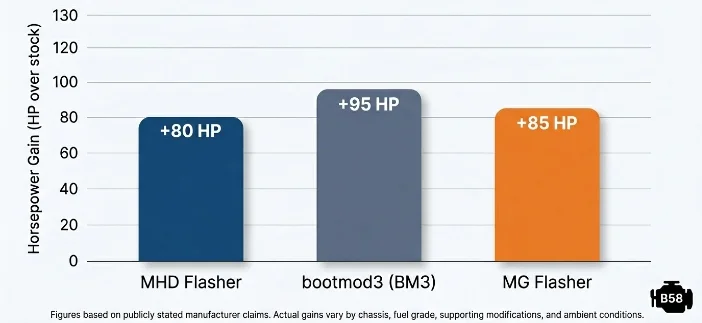
A few takeaways from staring at this list for a while:
- Pick the app that matches your car, not the one with the slickest marketing. MHD on a B58, bootmod3 on an F90 M5, xHP for any BMW with a ZF automatic — the right tool depends entirely on what you’re driving.
- Free isn’t the same as bad. CAFlash N54 is genuinely useful for older N54 owners on a budget, even though it doesn’t have the polish of the paid options.
- Read recent reviews. Tuning apps are kept up to date and what was an excellent app 2 years ago might now have permission problems, a Bluetooth bug or a stale ECU database. Before they can bite you, you can find issues in the r/BMW subreddit and brand-specific forums.
The Other Kind: Device Firmware Flashing Tools
Quick detour back to that other meaning of “flash tune” before we lose the thread.
These tools have nothing to do with cars. They’re for modifying the software on Android phones and tablets — installing custom ROMs, restoring bricked devices, swapping kernels, repairing firmware after something went sideways. The audience is mostly mobile repair shops, ROM developers and the kind of person who spends a Saturday afternoon flashing LineageOS onto an old Pixel because why not.
A handful of names dominate this space:
- SP Flash Tool — Worth flagging up front: this isn’t actually an Android app. It’s a Windows desktop program from MediaTek for flashing firmware onto MTK-chipset phones. People often lump it in with “flash tune Android apps” and it ends up in lists where it doesn’t really belong.
- Franco Kernel Manager — A real Android app, this one. It auto-flashes kernels, Magisk modules and flashable ZIPs without needing a custom recovery. Also handles performance tweaks and battery monitoring.
- Odin / DroidKit — Samsung-specific. If you’ve ever had to recover a bricked Galaxy, you’ve probably met Odin.
- Best Flash Tool by BossV — Another Windows utility, used by repair technicians for IMEI restoration and security repair on Android devices.
Honestly? If you came here looking for car tuning information, you can skip this section entirely. The two worlds just happen to share a name. Worth knowing they exist so you don’t end up downloading the wrong thing, but that’s about it.
The r/Android and r/AndroidQuestions communities are the right places to go if device flashing is what you’re actually after.
Flash Tune vs. Piggyback vs. Standalone ECU
Before you commit to any of this, it’s worth knowing what your alternatives are. Flashing isn’t the only way to get more out of a modern engine. There are three main routes and they’re not interchangeable.
| Approach | What It Does | Upsides | Downsides |
| Flash Tune (ECU Remap) | Overwrites the calibration data already living on your factory ECU. | Comprehensive control. No extra hardware bolted to your engine bay. Usually reversible. Doable from a phone in your driveway. | Some ECUs are encrypted and can’t be flashed without specialized tools. Dealers can sometimes detect it. Voids warranty if caught. |
| Piggyback Controller | A small box that sits between the ECU and the engine sensors, intercepting signals and modifying them on the fly. | Often invisible to the dealer (you can unplug it). Cheaper. Easier install. Works on platforms where flashing isn’t possible. | Limited resolution — it’s working around the factory map, not rewriting it. Can’t touch ignition timing or rev limiters on most systems. Relies on the factory boost control, which has it’s own quirks. |
| Standalone ECU | Replaces the entire factory computer with an aftermarket programmable unit. | Total control. No factory limits whatsoever. The right answer for heavily modified or purpose-built race cars. | Expensive. Complex. Requires a tuner who knows what they’re doing. Often breaks dashboard gauges, OBD-II communication and emissions equipment. |
For most people driving a modern European car? Flash tuning wins. It’s the sweet spot — capable enough to matter, convenient enough to actually use and you can do it from your phone while sitting in your garage.
Piggybacks make more sense on platforms where ECU flashing is locked down or the encryption hasn’t been cracked. Standalone ECUs are race-car territory, full stop. If you’re asking whether you need a standalone, you don’t.
Legal and Safety Stuff You Actually Need to Read
This part isn’t fun, but skipping it is how people end up with blown engines, voided warranties or fines they didn’t see coming.
Emissions Laws Are Real
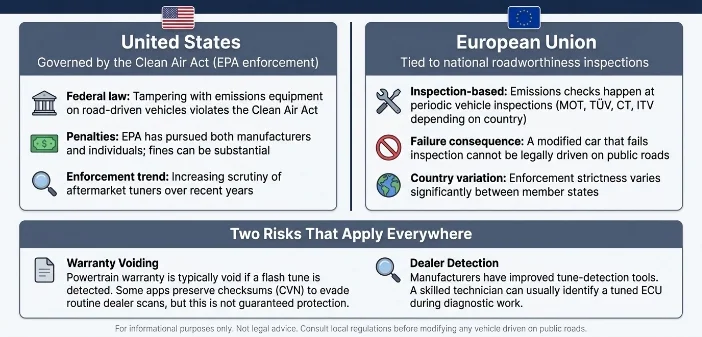
In the United States, modifying any emissions-related component on a vehicle driven on public roads is a violation of the Clean Air Act. The EPA enforces this and has been increasingly active in going after both manufacturers and individual tuners over the past few years. The European Union has it’s own regulations tied to roadworthiness inspections — fail an emissions check and you’re not driving that car legally.
This is why almost every tuning app includes some version of “for off-road and racing use only” in the fine print. That disclaimer protects the developer. It does not protect you.
Warranties Will Vanish
Flash an ECU, get caught, lose your powertrain warranty. Some apps (MG Flasher being the obvious example) leave the CVN checksum untouched, which makes the tune harder to spot during a routine dealer scan. But “harder” isn’t “impossible.” Manufacturers have gotten significantly better at detecting tunes and a smart dealer technician can usually figure out what’s going on if they care to look.
If your car is under warranty and you’re attached to keeping it that way, think hard before flashing.
Engines Can Actually Die
A bad tune isn’t a software inconvenience — it’s a way to destroy expensive metal parts. Detonation (knock), runaway exhaust gas temperatures, lean fuel mixtures, over-boosting. Any of those can crack a piston, melt a turbo or turn your engine into a paperweight. The discussions over at r/ECU_Tuning are full of people who learned this the expensive way.
The general rule: stick to off-the-shelf maps from reputable developers, run the fuel grade the map calls for and don’t push a modified map further than the map was designed for. If you’re going beyond Stage 1, get a real tuner involved and log everything.
The APK Trap
Search the internet for “MHD Flasher cracked APK” or “bootmod3 free download” and you’ll find dozens of results. Don’t. These modified APKs are a known malware vector, they bypass the app’s licensing checks (which is it’s own legal problem) and they can brick your ECU because the integrity checks aren’t running properly. The savings aren’t worth it.
Stick to the Google Play Store or the official developer site. Always.
So Should You Actually Do This?
Depends entirely on who you are and what you’re trying to get out of it.
If you own a modern BMW or VW/Audi, you’re past the warranty window (or okay with the risk), you’ve done some reading and you want more from a car you already like — yeah, this is genuinely one of the better deals in the modification world. A few hundred dollars for an app and adapter, an afternoon learning the workflow and you can wake up a car that the manufacturer deliberately held back.
If you’re a daily driver on a tight budget, with a warranty you depend on, in a state with strict emissions enforcement? Probably not. The math doesn’t work in your favor.
A few things to keep in mind no matter which side of that line you fall on:
- Back up your factory file before you do anything. This is non-negotiable. If something goes wrong mid-flash, your factory backup is the only thing standing between you and a very bad day.
- Match the map to your fuel. Running a 93-octane Stage 2 map on 87-octane gas is a great way to learn what knock sounds like.
- Log your first drives. Most apps make this easy. A 20-minute log on a freshly flashed tune will tell you whether anything weird is happening before it becomes a real problem.
- Don’t trust random forums for your specific tune. The general advice is fine. The specific calibration files you flash should come from the developer or a known tuner, not from a guy on a forum who pinky-swears it works.
The technology has gotten genuinely impressive. A decade ago, getting a real ECU tune meant trailering your car to a dyno shop and handing over a credit card. Now you can do most of it from your phone, in your driveway, with results that would have been called professional-grade not that long ago. That’s the upside. The downside is that the responsibility shifted along with the tools — there’s no shop owner standing between you and a mistake anymore.
If you go in clear-eyed about the legal piece, careful about the technical piece and patient about learning what you’re doing, flash tuning is one of the more rewarding things you can do with a modern car. Just don’t skip the boring parts. The boring parts are what keep the engine alive.